Zone 01 — Turbo Coach

Build your toolkit to propel your athletes.

You're often on your own in your role, and you want to stop improvising. Turbo Hockey helps you structure your approach around four pillars — four commitments everything else builds on.

The framework

Four essential pillars for a more skilled coach.

Before talking about drills, there are four things a coach has to own. Take them in order. Each one stands on its own — together, they change your season.

Look for the puck. Every time it shows up, there's more to see: click it for explanations, video and real examples.

Pillar 01

Real fun

"I commit to creating real fun."

  • I embrace the importance of creating real fun — not entertainment.
  • My players can't wait to get to the rink. That's my best indicator.
  • I offer a positive, enjoyable, enriching and safe experience.
  • I ask myself honestly: would I enjoy this?
  • I check in with them: do they enjoy it? I don't assume — I ask.
  • Fun and rigour can go hand in hand.
  • Fun doesn't mean goofing around. Making that distinction is my job.
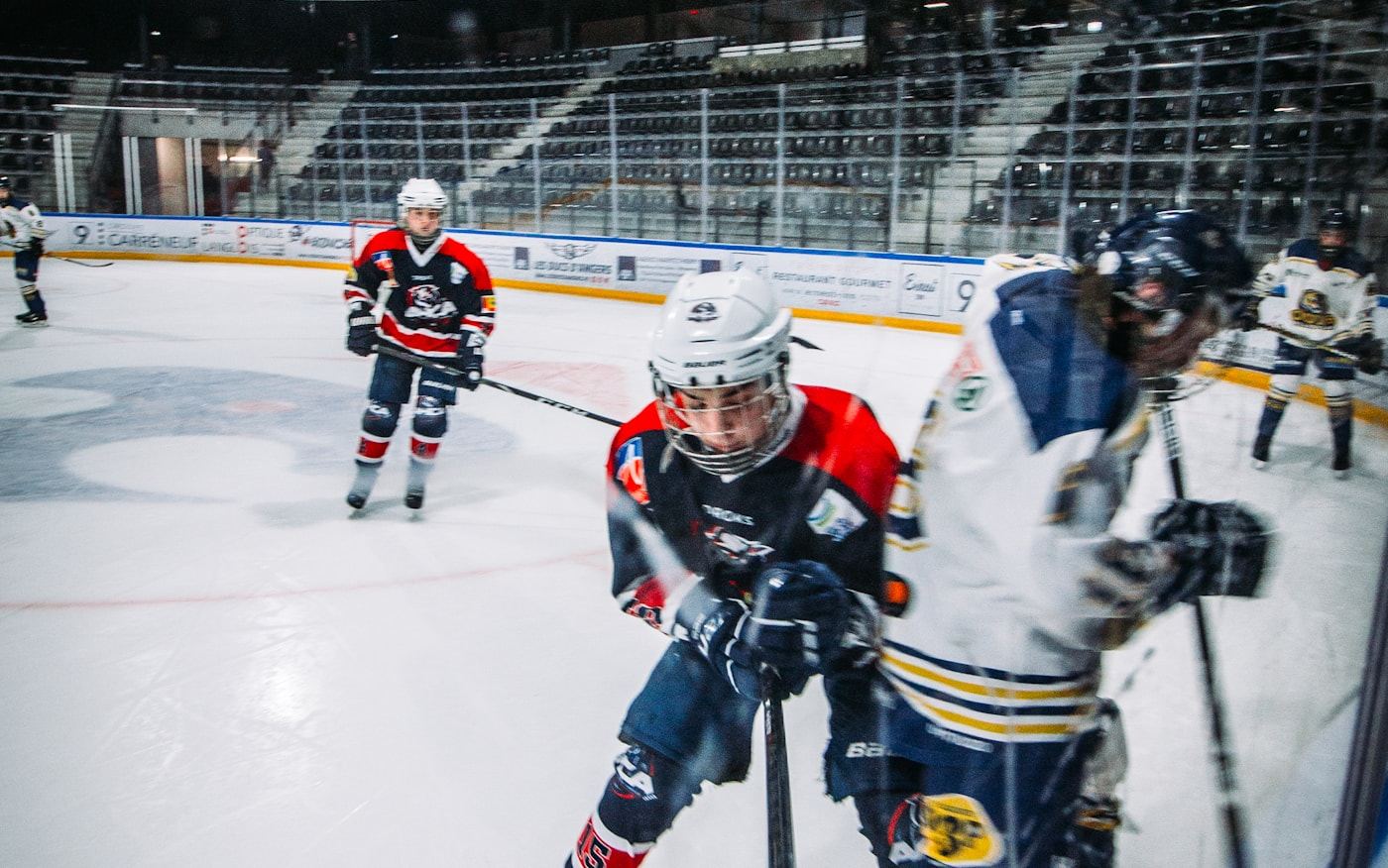
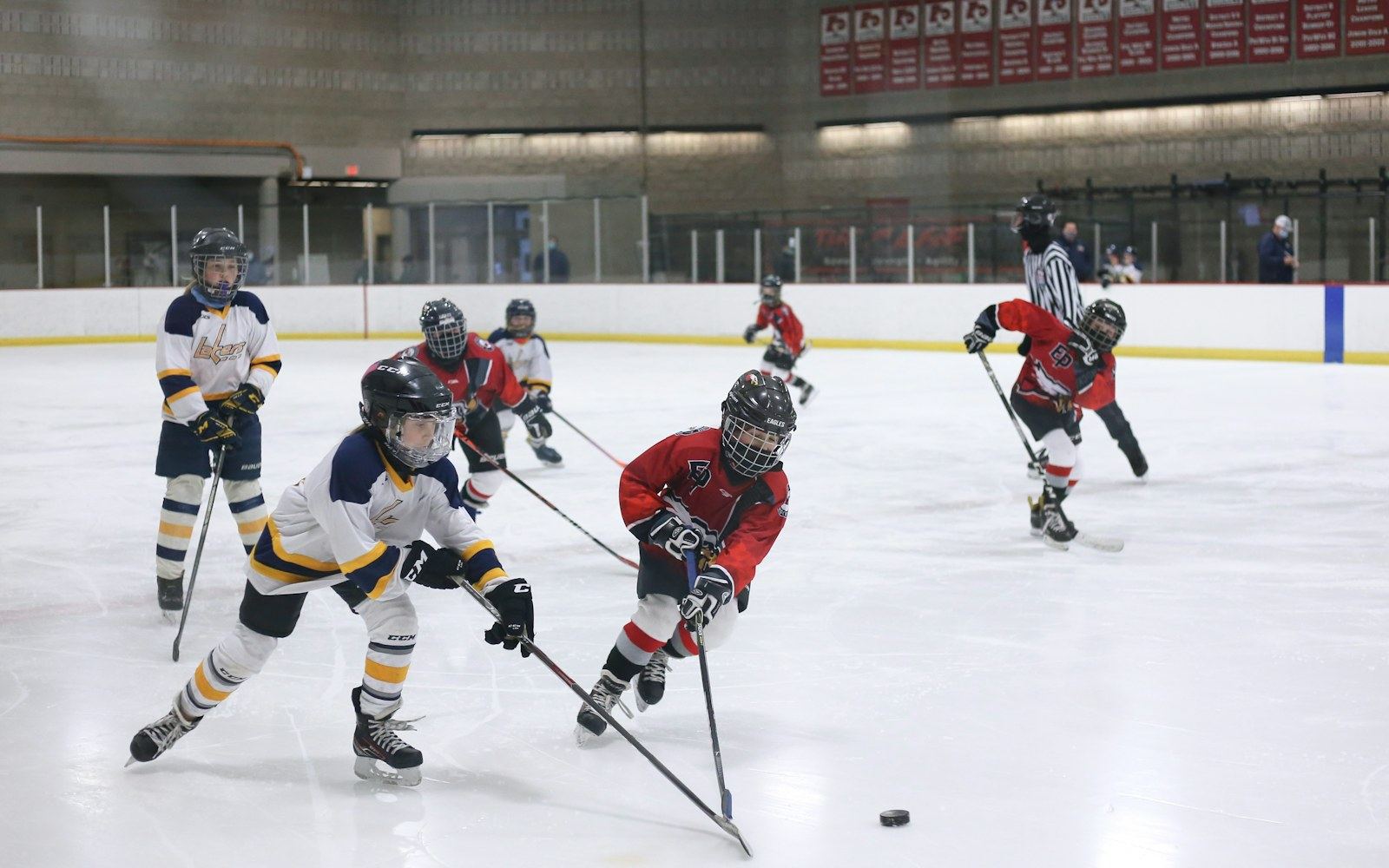
Young hockey players smiling during a practice drill

An athlete who's having fun learns faster, tries more things, takes initiative and comes back the next year. Fun isn't the reward for development — it's the fuel for it.

Pillar 02

Planning & preparation

"I'm always prepared."

  • I plan the year, the month, the week and the day.
  • I have a season plan and I know where we're headed — and I adjust along the way.
  • I prepare my practices. Every drill has a reason to be there.
  • I prepare my games: before, during, after.
  • I share and keep my people informed — players, assistants and parents.

Preparation is the key to success.

The only pillar where you control 100% of the outcome.

The tool

Le Concepteur plans your whole season.

From day 1 of camp to the last game of the season. Your goals, your season plan, your practices and your drills all live in the same place, in the same thread. You stop starting from scratch every week.

  • Camp — evaluations and team formation, from day 1.
  • Your season plan — your goals, your priorities, week by week. You know where you're headed.
  • Your practice plans — built, printed, shared with your staff.
  • Your drills — drawn, animated, or pulled from the library: hundreds already sorted, ready to adapt to your group.
  • Right to the last game — you adjust along the way without losing track of your season.

Pillar 03

Leadership

Minor hockey coach giving instructions to his team on the ice

My values

Three or four, not fifteen. Written down, said at the first meeting, and held to until March.

My code of conduct

What I accept and what I don't — from myself first, then from my group.

"I own my role."

  • I have my values and my code of conduct.
  • My actions speak louder than everything else. The group watches what I do, not what I say.
  • I put in the work and I deliver a performance — I've got a game to play too.
  • I look after everyone around my team: players, assistants and helpers, parents.
  • I keep a respectful, courteous and positive tone with everyone.
  • It's the process that drives my decisions, never the results.

Your philosophy isn't a document. It's what your players can repeat in January without you in the room.

Pillar 04

Skills & knowledge

"I always have more to learn."

  • I always have more to learn. The day I stop, my players stop too.
  • I stay curious and a good student of the game. I don't know it all.
  • I recognize my strengths and weaknesses as a teacher.
  • I go get what I'm missing: information and expertise.
  • I surround myself with skilled people whenever I can.
  • I adapt to the level I'm coaching — age and calibre.
  • I develop athletes — the process before the win.
  • I make plenty of room for decision-based drills.

Understand the essentials

Four reference points are enough to teach hockey from top to bottom, from U11 to U22. They're the same ones your players learn on their side — that's on purpose.

The go-to tool

Le Concepteur, to build your athletes' skill.

You don't teach the four reference points above in a vacuum — you build them drill after drill. Le Concepteur helps you build each session around them, so your players' skill actually progresses, week after week.

Go further

The details of teaching

You're going to run out of time to cover everything. That's normal — and expected. Turbo Hockey focuses teaching on four interconnected pillars that, together, make the player useful and effective in their 4 roles.

Individual skills

Skating, shooting, passing, receiving, puck handling. The move in service of the decision.

Individual tactics

Using your tools to create an advantage — or neutralize the opponent's: approach to the puck carrier, marking, getting open, puck protection.

Team tactics

Principles, not X's and O's. Team tactics serve the athlete — never the other way around.

Hockey sense

Understand and anticipate. The multiplier that makes everything else effective in game situations.

Everything you teach only matters if it shows up in the game. That's where hockey sense shows itself — and that's where the individual work pays off.

Individual tactics

Create an advantage with your tools

Individual tactics are the action of a player using one or more technical skills — their tools — to create an advantage or neutralize an opponent's advantage.

Technique is never an end in itself. It's the means.

Read and react

Decide fast, in a game that keeps changing

Get the player making smart decisions, anticipating plays and reacting quickly to changing game situations — with and without the puck.

Without the puck is where your player spends almost their entire shift.

Develop each player's fundamental skills and individual tactics before turning to team tactics and systems. That's the real game.

Two teaching methods exist. Both have their place — but only one really prepares the player for the game.

Block drill

From simple to complex

The same skill repeated until it becomes automatic. Lots of feedback, little questioning, low variability.

Useful — especially in the introduction phase. But not enough on its own.

Decision-based drill

From complex to simple

Drills that simulate competition. Technique lives inside tactics. Delayed feedback, lots of questioning.

It's at the heart of the Turbo Hockey method.

The four steps of the decision-making process — from the skill chosen to the teaching tools — are in the puck.

Go further

The detailed explanations.

Real fun

Real fun isn't entertainment. It's the feeling of making progress, being useful to your team and looking forward to coming back. An athlete having fun tries more things — so they learn faster. They take initiative.

How to check — not assume

  • Ask three different players after a practice — and keep it open-ended: "did you enjoy that?" Don't steer them toward the positive, or you'll get the answer you wanted to hear.
  • Build their critical thinking. "If you were the coach, which drill would you change to make it more motivating?" Now they're really thinking — and giving you usable information.
  • Follow up on short answers. "It was fun" doesn't tell you anything. Always follow with: "give me a specific example from the practice that makes you say that."
  • Watch them arrive at the rink. A lively dressing room is your best indicator.
  • Put rigour into the fun: demanding drills can be the most appreciated ones.
  • Draw the line with goofing around. Fun serves learning; goofing around replaces it.
  • Ask yourself if you'd enjoy it before putting a drill on the ice.
Video coming soon The video explaining this point is in the works.

What we ask of parents

Planning & preparation

This is the only pillar where you control 100% of the outcome. Your team can't decide to win, but you can decide to show up prepared — every time.

The order to follow

  • The year plan first. Which team priorities, in what order, over how many weeks.
  • Then the month — and you share it with your people. Parents included.
  • The week: one priority, not four. It shows up in every practice.
  • The practice: every drill answers "why am I running this?"
  • The game: before, during, after. What you're watching for is decided before the puck drops.
Video coming soon The video explaining this point is in the works.

Build your practices with Le Concepteur

Leadership

Your group doesn't remember your speech from the first meeting. They remember how you react when things go wrong — a bad call, a close loss, a frustrated parent. That's where your leadership gets written.

Making your values usable

  • Three or four values, not fifteen. Written down, said at the first meeting.
  • Translate each one into observable behaviour — otherwise it's a poster, not a value.
  • Apply them to yourself first, in front of the group. My actions speak louder than everything else.
  • Look after everyone around you: players, assistants, helpers, parents.
  • Let the process decide, not the scoreboard. Especially in the playoffs.
Video coming soon The video explaining this point is in the works.

The vision behind Turbo Hockey

Stephan's values

A real-world example, not a template to copy. Stephan Lebeau has held the same three or four values for years — and each one translates into a behaviour a player can see on the ice. That's what makes a value usable.

Content coming soon Stephan's values will be added here.

What about yours?

  • Three or four, not fifteen.
  • One behaviour sentence for each — what people see when it's being respected.
  • Said at the first meeting, held to until March.

Stephan's code of conduct

The code of conduct is the short version of what you accept and what you don't — from yourself first, then from your group. Here's Stephan Lebeau's, to give you a starting point.

My conduct as a coach

At all times, I must…

  • Be trustworthy.
  • Be able to adapt to any situation.
  • Send clear messages.
  • Have excellent work ethic and commitment.
  • Show passion for "the game."
  • Show respect for my players and staff.
  • Show respect for the opponent, the officials and the spectators.
  • Have a positive attitude.
  • Show enthusiasm.
  • Be organized and prepared (good planning).
  • Be calm and patient (never panic).
  • Listen to others.
  • Show my emotions in a controlled way.
  • Be determined to reach my goals.

A coach should be a leader and act like one. He should lead by example through his behaviour, not just his words. A good coach plans for the unexpected. A great coach does all of that — and more.

Stephan Lebeau

The 4 pillars we prioritize

Seven pillars make up a player's DNA. You'll never have time to work on all of them equally — and that's fine. Four make the biggest difference.

The four to prioritize

  • Individual skills — the basics: skating, shooting, passing, receiving, puck handling. The move in service of the decision, never the other way around.
  • Individual tactics — using your tools to create an advantage or neutralize the opponent's: approach to the puck carrier, marking, getting open, puck protection.
  • Team tactics — principles, not X's and O's. They serve the athlete, never the other way around.
  • Hockey sense — understand, read, anticipate. It's the multiplier: without it, the other three don't show up in the game.

The other three — in support

Physical, mental and social matter, but in minor hockey they mainly develop through play and through the climate you create — not through a block of drills in your practice.

One priority per week — not four. And always inside a game situation: a skill worked in a line in front of a cone doesn't transfer to the game.

Video coming soon The video explaining this point is in the works.

See the 7 pillars from the players' side

Transferring what's learned

The real test of teaching isn't succeeding at the drill. It's what shows up in the game, under pressure, when no one's telling the player what to do.

Individual tactics, precisely

It's the action of a player using one or more technical skills — their tools — to create an advantage, or neutralize an opponent's advantage. Technique is the means. The advantage created is the goal.

  • With the puck — protection, change of pace, fakes, pass selection, taking space.
  • Without the puck — getting open, support, marking, angle of approach, repositioning. That's where your player spends almost their entire shift.

Read and react

Deciding fast and anticipating, in a game that's always changing. It doesn't get taught on a whiteboard — it gets practised in situations.

  • Add opposition. Without opposition, there's nothing to read.
  • Vary the situation from one rep to the next. The game never repeats itself the same way twice.
  • Question afterward: "what did you see?" before "what should you have done?"

Order matters

Individual skills and tactics before team systems. A well-drawn system won't save a player who doesn't know what to do with the puck.

Video coming soon The video explaining this point is in the works.

See the 4 roles and their toolbox

From complex to simple

The block drill

The same skill repeated until it becomes automatic. Lots of feedback, little questioning, low variability.

  • Produces flashy players
  • Good short-term results
  • Weak transfer to the game
  • The athlete depends on the coach

The decision-based drill

Drills that simulate competition. Technique lives inside tactics. Delayed feedback, lots of questioning.

  • Produces good players
  • Strong transfer from practice to the game
  • Attention, anticipation, problem-solving
  • The athlete becomes autonomous and creative

It's at the heart of the Turbo Hockey method.

Video coming soon The video explaining this point is in the works.

Build a decision-based drill with Le Concepteur

The four steps of the decision-making process

This is the process for designing a drill that actually transfers to the game. In this order, every time.

  • 1. Select the skill to train. Which pillar do you want to move forward this week? Just one at a time.
  • 2. Define the decision to train. Not just the move — the choice the player has to make before executing it.
  • 3. Design the drill. A game situation, with gradual opposition, that forces reading before acting.
  • 4. Choose your teaching tools. Variability, randomness, delayed feedback, questioning, video. You ask, they answer, you wrap it up together.
Video coming soon The video explaining this point is in the works.

Build your session with Le Concepteur

Skills & knowledge

No one knows all of hockey. The difference between a coach who keeps improving and one who stalls isn't what he knows — it's what he's willing to admit he doesn't know, and goes to find out.

Staying a student of the game

  • Name your two weaknesses as a teacher. Write them down. That's your development plan.
  • Go find the expertise you're missing instead of winging it.
  • Surround yourself with skilled people — a well-chosen assistant is worth ten videos.
  • Adapt to the level you're coaching: what works in U22 doesn't work in U11.
  • Make plenty of room for decision-based drills. That's what transfers to the game.
Video coming soon The video explaining this point is in the works.

Take action

Your team deserves a plan.

The four pillars are the framework. To get onto the ice, you need the tool that builds your drills and your practice plans: Le Concepteur.